When it comes to home heating, we often focus on bigger aspects like the boiler’s performance, insulation, and thermostat settings. However, radiators play a crucial role in ensuring that the heat generated in your home is distributed effectively. Many homeowners choose to paint their radiators to improve their appearance, but one common question is: Does painting a radiator make it more efficient?
Painting a radiator doesn’t significantly improve its efficiency. However, if done improperly with thick, non-heat-resistant paint, it could slightly reduce heat transfer. Using the right radiator paint and applying it in thin, even coats will refresh the look of your radiator without affecting its performance.
In this post, we’ll explore whether painting your radiator affects its heat output, how the choice of paint matters, and whether there are practical ways to ensure that your radiator maintains efficiency while looking its best.
What Is Radiator Efficiency?
Before diving into whether painting a radiator affects its efficiency, it’s essential to understand what radiator efficiency means. A radiator’s primary function is to transfer heat from hot water or steam inside the radiator to the air in your room. Radiators achieve this through convection (heating the air around the radiator) and radiation (directly heating the objects and people in the room).
Efficient radiators transfer heat effectively, keeping your home warm while minimising the amount of energy needed to achieve the desired temperature. Factors such as the radiator’s size, design, location in the room, and material can all impact how well it performs. Radiators also need to be regularly maintained, ensuring there are no airlocks and that the pipes are free from sludge.
But can painting a radiator impact this heat transfer process, and if so, how?
The Science Behind Radiator Heat Transfer
To understand how painting affects a radiator’s efficiency, it helps to know how radiators work. Radiators heat a room using two mechanisms:
- Convection: This process heats the air around the radiator. Warm air rises and circulates throughout the room, pushing cooler air down towards the radiator to be heated again.
- Radiation: This is the direct transfer of heat from the radiator to objects and people in the room.
Radiators are typically made from metal, as metal is an excellent conductor of heat. When heated, the metal surface transfers the warmth to the surrounding air and objects.
The surface of the radiator plays a crucial role in how effectively it radiates heat. If the radiator surface is covered with thick layers of non-conductive material or paint, this could potentially hinder the radiator’s ability to transfer heat efficiently. However, the thickness and type of paint applied can determine whether there’s a significant impact on efficiency.
Does Painting a Radiator Impact Efficiency?
Let’s get to the heart of the question: Does painting a radiator make it more efficient, or less efficient?
The truth is, painting a radiator can slightly reduce its efficiency, but only if done improperly. The key factors to consider are:
- Thickness of the Paint: A radiator painted with multiple thick layers of paint may have its heat transfer ability reduced. This is because paint acts as a layer of insulation, making it harder for heat to escape the radiator’s surface.
- Type of Paint Used: Not all paints are created equal. Standard household paints may not withstand the heat radiators produce, potentially peeling or cracking. More importantly, they can create a thicker layer than necessary, which could reduce heat output. Using specialised radiator paints designed to be thin and heat-resistant ensures that the paint doesn’t interfere with the radiator’s ability to radiate heat effectively.
In general, if you use a proper radiator spray paint designed for high temperatures and apply it in thin, even layers, the impact on the radiator’s efficiency is negligible. In fact, professional radiator spray painting can make your radiator look new again without compromising performance.
Benefits of Painting a Radiator
While painting your radiator may not make it more efficient in terms of heat transfer, there are several benefits to giving it a fresh coat of paint.
1. Aesthetic Improvement
One of the main reasons homeowners choose to paint radiators is to improve their appearance. Old radiators often become discoloured or rusted over time, and painting them can give them a sleek, modern look that blends with your room’s decor. Whether you choose a neutral white or a bold colour, radiator spray painting offers a way to refresh your space without replacing the unit.
2. Corrosion and Rust Protection
Another significant advantage of painting your radiator is protection against rust. Over time, moisture and humidity in the air can cause radiators, especially those in kitchens and bathrooms, to develop rust spots. A fresh coat of paint acts as a protective barrier, shielding the metal from exposure to air and moisture, thus extending the radiator’s lifespan.
3. Cost-Effective Renovation
Replacing a radiator can be costly, especially if you’re upgrading multiple units. Painting your radiator offers a cost-effective alternative, giving your existing radiator a new lease of life without the expense of purchasing a new one. Professional spray painting services can deliver high-quality results that look just as good as a brand-new radiator.
How to Paint a Radiator Without Compromising Efficiency
While painting your radiator can enhance its appearance, it’s important to do it correctly to avoid compromising its efficiency. Here’s how to ensure you achieve the best results:
1. Choose the Right Paint
Not all paints are suitable for radiators. Standard wall paints are not designed to withstand high temperatures and may peel or crack. Radiator-specific paints, like those used by PBM Paints, are designed to tolerate heat while ensuring a thin, even coating that doesn’t interfere with heat transfer.
2. Prepare the Surface
Before painting, it’s crucial to prepare the radiator surface. Clean the radiator thoroughly to remove any dust, dirt, or rust. Sanding the surface lightly will help the paint adhere better and provide a smooth finish. If the radiator has been painted before, make sure any flaking or peeling paint is removed.
3. Apply Thin, Even Coats
When applying the paint, whether you’re using a brush or spray paint, be sure to apply thin, even coats. Thick layers of paint can act as an insulator, reducing heat transfer. Multiple thin coats will provide a smooth, durable finish without compromising the radiator’s ability to radiate heat.
4. Allow Proper Drying Time
Once painted, ensure the radiator has ample time to dry before turning it on. Turning on the radiator too soon can affect the finish and lead to peeling or bubbling.
Choosing the Right Paint for Radiators
When it comes to painting a radiator, the type of paint used can make all the difference. Here’s why choosing the right paint matters:
- Heat-Resistant: Radiators can reach high temperatures, and the paint used must be able to withstand this without breaking down. Radiator paints are formulated to endure these conditions.
- Durable Finish: Radiators are often in high-traffic areas, making them prone to bumps and scrapes. A durable paint finish ensures that the radiator maintains its appearance for years to come.
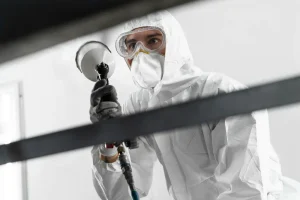
- Smooth Application: Professional radiator spray paints, such as those used by PBM Paints, offer a smoother application than regular brushes, ensuring an even finish without brush marks.
Does Paint Colour Affect Radiator Efficiency?
A common myth is that darker colours make radiators more efficient. While it’s true that darker objects absorb and emit more heat than lighter ones, the difference is so minimal in this context that it’s barely noticeable. The type of paint used is far more important than the colour.
When choosing a colour for your radiator, focus on what looks best in your home. Whether you go for classic white, contemporary grey, or a bold accent colour, the impact on efficiency will be negligible, so choose a shade that complements your interior design.
Maintaining Radiator Efficiency After Painting
Painting your radiator is only part of the equation when it comes to keeping it efficient. Here are a few additional tips to ensure your radiator continues to perform well:
- Bleed Your Radiators Regularly: Air trapped in the radiator can reduce its efficiency, so it’s important to bleed them at least once a year to ensure they’re working at full capacity.
- Keep the Area Around the Radiator Clear: Blocked airflow can hinder heat distribution. Avoid placing furniture or thick curtains directly in front of your radiator to allow air to circulate freely.
- Regular Maintenance: Over time, radiators can accumulate sludge, which reduces their efficiency. Flushing the system periodically can improve heat output and overall performance.
The Role of Professional Radiator Spray Painting Services
For homeowners who want to achieve a flawless, durable finish without the hassle, professional radiator spray painting is the way to go. At PBM Paints, we specialise in delivering top-quality results that enhance the look of your radiators without compromising their efficiency.
Our team uses high-performance, heat-resistant paints designed for radiators, ensuring that the finish is smooth, long-lasting, and able to withstand high temperatures. Whether you’re looking to modernise your home’s heating system or give your radiators a fresh look, our professional services guarantee a perfect finish every time.
Conclusion
So, does painting a radiator make it more efficient? The short answer is no, but if done improperly, it can reduce efficiency slightly. However, by using the right paint and applying it in thin, even layers, you can enjoy the benefits of a newly painted radiator without impacting its performance.
Whether you’re looking to modernise your radiators, protect them from rust, or simply refresh your home’s interior, PBM Paints is here to help with our professional radiator spray painting services. Contact us today to learn more about how we can give your radiators a stunning new look that lasts.